
Payment Processing for Small Business: What You Need To Know To Get Started
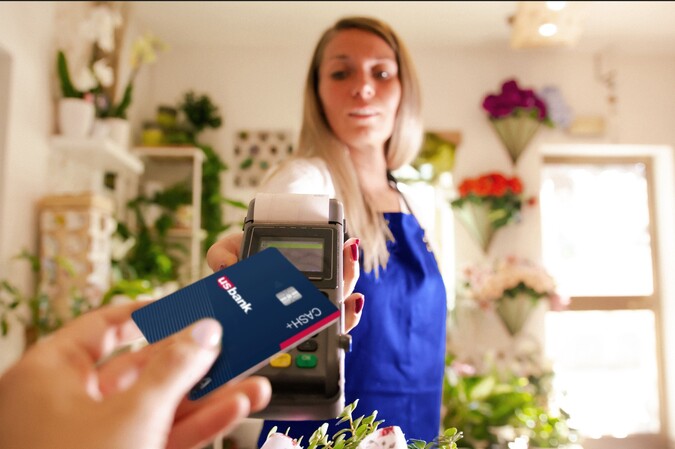
There are more ways for consumers to pay for goods and services today than ever before, which is why payment processing for small businesses is so important. People aren't just paying with cash, they're paying with credit cards, debit cards, digital wallets, mobile payments, and more. Everyone has their own preference for how to pay, and it's up to businesses to ensure that their customers can pay how they want. That means utilizing the best payment processing for small businesses. Here, we cover everything you need to know about payment processing, from the typical transaction workflow to partnering with payment processors to support your business goals.
Understanding Small Business Payment Processing
Payment processing is the series of steps involved in a customer sending money to a business using a credit card, debit card, or other electronic payment method. This process involves a rapid, secure exchange of information between the customer's accounts and the business's merchant account to move money from one to the other. It's a convenient, safe way for customers to quickly pay businesses for their goods and services and be on their way.
Not only does payment processing improve the customer experience and payment security, but it facilitates faster deposits into your accounts, giving your business more positive and manageable cash flow.
Types of Payment Processing Systems
There are two core types of payment processing systems:
- Merchant accounts: The traditional way businesses accept credit card payments; a merchant account is basically an account used to track, authorize, settle and fund card payments from customers. The merchant account is connected to the businesses' depository bank account to receive the proceeds from the card payments accepted through the business's merchant account.
- Payment service providers (PSPs): a direct relationship with a merchant payment acquirer which facilitates the authorization, settlement and funding of the business's payments to its depository bank account. Rather than obtain a specific merchant account with a payment acquirer, you get a contracted service to process payments through the PSP's processing relationship with a payment acquirer. Some common PSPs are PayPal, Stripe, and Square.
The Key Components of Payment Processing
Processing customer payments requires a few individual components to support seamless transactions. The primary components of payment processing services are:
- Payment gateways: Gateways may be a physical device, like the tap pad you see at the grocery store, or a virtual terminal that vets electronic payment information to support both in-person and online transactions.
- Merchant accounts: A merchant account is used to track, authorize, settle, and fund card payments from customers. The merchant account is connected to the businesses' depository bank account to receive the proceeds from the card payments accepted through the business's merchant account.
- Payment processors: The processor, also known as a payment acquirer, collects the payment information from the merchant's point of sale and securely moves that data through the involved payment card networks and to the payment card issuer to settle the payment transaction, converting the accepted payment data into a deposit to the business's depository bank account.
What To Analyze When Choosing a Payment Processor
There are many small business payment processing solutions on the market, and it can be difficult to determine which one is best for your needs. If you don't know what to ask a payment processor, these guidelines can help you get started:
- Transaction fees: Most payment processors charge a fee on every transaction based on interchange rates. These fees can add up, making some small business payment options worse than others.
- Pricing structure: While transaction fees are usually standard, different companies may assess a subscription fee, an online payment fee, equipment fees, and more. Moreover, some may require long-term contracts, reducing your company's flexibility.
- Security measures: Any payment processor should help businesses meet and validate PCI compliance standards to help protect cardholder data and be able to explain how they mitigate fraud threats.
- User reviews: Finally, user testimonials are a great way to understand how other small businesses have enjoyed working with a particular processor.
Learn more about how to support your small business by checking out U.S. Bank's Small Business, Big Ambition program.
